Timeless Beauty: Using Vintage Floral Vectors in Modern Design
Understanding the Aesthetic of Vintage Florals
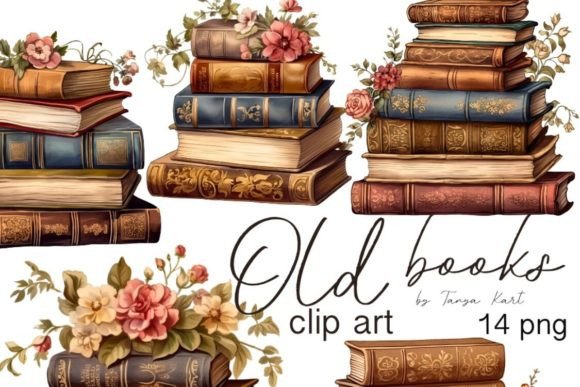
There is a distinct warmth that comes with Vintage Floral Vector Illustrations. It isn’t just about old flowers; it is about a specific design language that communicates elegance, history, and organic authenticity. Unlike the sharp, geometric perfection of modern flat design, vintage florals embrace imperfection. They feature intricate line work, hand-drawn textures, and a sense of depth that mimics botanical prints from the 18th or 19th century. When you download a high-res transparent PNG or an EPS file of these elements, you are acquiring a piece of art that carries a personality of its own.
The visual characteristics of these elements are rooted in the Damask and William Morris eras, yet they remain incredibly versatile today. You will often find dense foliage, detailed petals, and swirling vines that create a sense of movement. The "vintage" aspect often comes from the styling—perhaps the lines are slightly uneven, or the design implies a woodblock print texture. This style provides a "lived-in" feel that sterile, digital-first designs often lack. It creates an immediate emotional connection with the viewer, suggesting that a product or brand is established, thoughtful, and quality-focused.
The Versatility of EPS Files and Transparent PNGs
One of the most practical advantages of working with Vintage Floral Vector Illustrations is the file format. The inclusion of EPS (Encapsulated PostScript) files is a game-changer for serious designers. Unlike raster images that pixelate when enlarged, vector EPS files allow you to scale your floral elements to the size of a billboard or shrink them down to a favicon without losing a single pixel of quality. This scalability is crucial for maintaining a professional brand identity across various touchpoints.
Meanwhile, the high-res transparent PNGs are perfect for quick projects or for those who may not have access to complex vector editing software like Adobe Illustrator. Whether you are a blogger adding a header to a post or a crafter printing a sticker, the transparency allows the floral elements to blend seamlessly into any background color or texture. This flexibility makes these design assets valuable for both digital and print mediums, ensuring that your creative font usage and imagery remain consistent regardless of the platform.
Strategic Applications in Branding and Marketing
For entrepreneurs and small business owners, the decision to use Vintage Floral Vector Illustrations is rarely just about aesthetics; it is a strategic move to shape brand perception. In a crowded marketplace, these illustrations signal a specific set of values: artisanal quality, heritage, femininity, or eco-consciousness. If you are running a boutique, a bakery, or a wellness brand, these vectors serve as the visual anchor for your brand identity.
Elevating Logo Design and Packaging
In logo design, floral vectors can be used to create monograms, borders, or background textures that frame your typography. A common mistake is overcrowding the design; the best approach is often to use a single, elegant sprig to complement a script font or serif font. For packaging design, these elements are indispensable. Imagine a plain kraft paper box for handmade soaps. By wrapping it with a repeating pattern created from the EPS files, you instantly transform generic packaging into a premium product experience. The complexity of the vintage style justifies a higher price point in the consumer's mind.
Digital Presence and Web Design
In the realm of web design and social media graphics, these illustrations break up the monotony of solid color blocks and stock photography. Use them as watermarks on Instagram posts, dividers on a landing page, or accent graphics on a "Thank You" page after checkout. When paired with a clean sans serif font, the vintage florals create a beautiful font pairing contrast that draws the eye. This interplay between the organic nature of the illustration and the structured nature of modern typography keeps the layout feeling fresh rather than dated.
Technical Considerations for Implementation
While the beauty of Vintage Floral Vector Illustrations is obvious, implementation requires a thoughtful eye. The density of these illustrations can sometimes overwhelm a layout if not handled correctly. You must consider the negative space in your design. If you are using a highly detailed floral border, the text inside needs to be legible. This is where readability becomes paramount. A heavy, ornate display typeface might look thematic, but if it competes with the illustration for attention, the message gets lost.
Furthermore, when using these assets for editorial design or long-form reading, restraint is key. These elements are best used as "spot illustrations"—small graphics placed near headers or at the end of chapters—rather than full-page backgrounds behind body text. The goal is to enhance the visual hierarchy, not disrupt the reading flow. Always test your color palettes; vintage styles often look best with muted, earthy tones or high-contrast monochromes rather than neon brights, which can clash with the organic nature of the design.
Choosing the Right Assets for Your Project
When selecting a set of Vintage Floral Vector Illustrations, look for variety within the collection. A good pack should include standalone flowers, leaves, corners, and seamless patterns. This variety allows you to build a cohesive system. For example, you might use a corner piece for your business card, a full wreath for your website hero image, and a subtle leaf pattern for the background of a brochure.
Additionally, evaluate the line weight. If you are working on small-scale items like jewelry tags, you need vectors with thicker, more distinct lines. Intricate, hair-thin details might get lost in the printing process on small surfaces. Conversely, for large-scale wall art or signage, those fine details become the focal point. Always review the commercial font and asset licensing to ensure the usage rights cover your intended scope, whether it is for physical merchandise, digital products, or client work. By treating these vectors as essential design assets